How long does it take to stop breast?
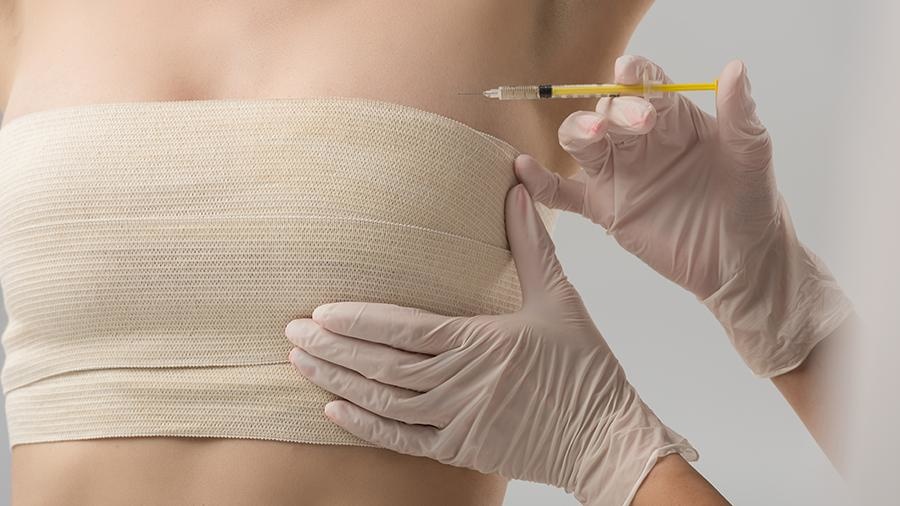
Breast development is a natural process that typically begins during puberty, influenced by hormonal changes in the body. However, not everyone experiences this growth the same way, and many individuals wonder how long it takes to stop breast growth or if it’s even possible. The timeline and process of halting breast growth largely depend on age, hormonal activity, medical interventions, and individual goals. For those seeking non-surgical enhancement or managing unwanted growth, treatments like Breast Enlargement Injections in Islamabad have become popular, offering tailored solutions for both enlargement and reshaping. But when it comes to stopping natural growth, the situation becomes a bit more nuanced.
Understanding the Phases of Breast Development
Puberty and Early Growth
Breast growth typically begins between ages 8 to 13, marking the onset of puberty. This initial stage, called thelarche, is triggered by rising estrogen levels in girls. During this time, breast buds form and gradually develop into fuller breasts over the next few years. By the age of 17 or 18, most individuals reach their full adult breast size. However, this timeline can vary due to genetics, diet, body weight, and overall hormonal health.
Factors That Influence Breast Growth Duration
Breast growth doesn't always stop with the end of puberty. Several factors can cause continued growth or changes in breast size:
Hormonal fluctuations: Pregnancy, menstrual cycles, and hormonal medications can lead to temporary or long-term increases in breast size.
Weight gain: Since breasts are composed partly of fatty tissue, gaining weight can cause them to grow.
Medical conditions: Hormonal disorders such as polycystic ovary syndrome (PCOS) or endocrine imbalances can lead to abnormal breast development.
In many of these cases, the growth is not permanent and may reverse when the triggering factors are addressed.
Can You Stop Breast Growth?
Yes, it is possible to halt or even reverse breast growth, depending on the cause and the individual’s stage in development. However, it’s important to understand that complete cessation of growth usually aligns with hormonal stability, which typically occurs after adolescence. If breast growth continues into adulthood or is undesired, there are several medical and lifestyle options available.
Medical Interventions
Hormonal therapy: In certain cases, doctors may prescribe hormonal treatments to balance estrogen and progesterone levels. This approach is often used in transgender healthcare or to address hormonal imbalances.
Medications: Some medications that lower estrogen levels, such as aromatase inhibitors, may be used to stop or slow breast development. These are generally prescribed in specific medical scenarios and must be carefully monitored by healthcare providers.
Surgical options: For individuals who experience excessive or unwanted breast growth (macromastia), surgical procedures like breast reduction or mastectomy may be recommended.
Natural and Lifestyle Methods to Manage Breast Growth
Although medical interventions are effective, some people prefer natural ways to slow or halt breast development. These include:
Weight management: Maintaining a healthy weight can reduce fatty tissue in the breasts and stabilize growth.
Dietary changes: Reducing processed foods, soy, and dairy (which can influence estrogen levels) may help regulate hormonal balance.
Exercise: Strength training can help tone the chest area and create the appearance of smaller, firmer breasts.
It’s important to note that natural methods are not guaranteed to stop breast growth but may contribute to overall hormonal regulation and physical balance.
When Should You Seek Medical Advice?
If you notice that breast growth continues abnormally into adulthood or is accompanied by pain, tenderness, or other unusual symptoms, it’s essential to consult a medical professional. This is especially true if the growth causes physical discomfort, emotional distress, or interferes with daily life. A doctor may conduct hormone tests, imaging, or other evaluations to determine the cause and recommend appropriate treatments.
Understanding the Role of Age and Hormones
Age plays a critical role in breast development. In general, most natural growth ceases by the early twenties. However, breasts can still change in response to pregnancy, lactation, or menopause. Hormonal contraceptives, hormone replacement therapy, and other medications can also influence growth even after puberty. For younger individuals, patience is key, as the body may still be adjusting and developing. For adults, a more comprehensive evaluation may be required to determine if intervention is needed.
Final Thoughts
Stopping breast growth is a complex process that varies from person to person. While growth generally slows and stops naturally with age, hormonal fluctuations, medications, and other health factors can contribute to ongoing changes. Those seeking to enhance or reduce breast size have several medical and cosmetic options available today. Whether through natural approaches, hormonal therapy, or cosmetic procedures, individuals now have more control over their bodies and aesthetic goals than ever before. If you’re exploring options for cosmetic enhancement or shaping, Breast Enlargement Injections in Islamabad offer a non-surgical alternative for those looking to achieve fuller and firmer breasts. For expert consultation, personalized treatment plans, and professional care, visit Royal Cosmetic Surgery PK and take the first step toward achieving your desired appearance.


